
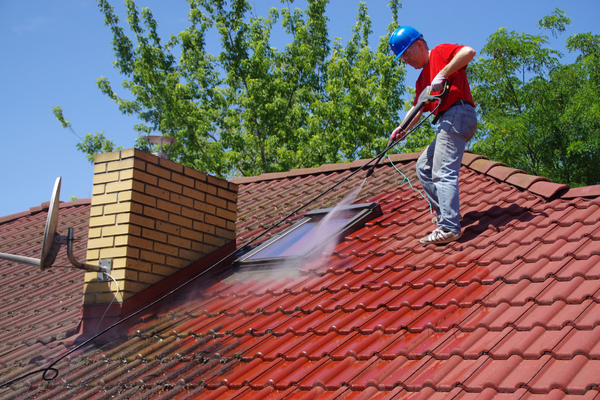
Black streaks on roof surfaces show up on homes across South Carolina more often than most homeowners expect, and the cause is rarely dirt or soot. These dark marks come from a living organism that spreads across roofing material in humid, shaded conditions. This guide from Carolina Power Washing explains what causes black streaks on roof coverings, why they matter, and how to remove them without causing damage.
What Causes Black Streaks on Roof Surfaces?
The dark streaks that appear on many South Carolina roofs come from a type of cyanobacteria called Gloeocapsa magma. This organism thrives in warm, humid climates and feeds on the limestone filler found in many asphalt roofing materials. As colonies grow and spread, they produce a dark, protective coating that appears as black or brown streaking, typically starting near the roof’s ridge and moving downward.
Conditions that support this growth include:
- High humidity and frequent rainfall, both common across South Carolina
- Shaded areas of the roof that stay damp longer after rain
- North-facing slopes that receive less direct sunlight
- Roofing material with limestone filler, which serves as a food source for the organism
- Limited airflow around the roof surface, often due to nearby tree coverage
Are Roof Stains Damaging to Your Home?
Black streaks are more than a cosmetic issue. Left untreated, Gloeocapsa magma colonies can affect the roofing material in several ways:
- They hold moisture against the surface for longer periods.
- They reduce the roof’s ability to reflect heat, which can raise attic temperatures.
- They spread across neighboring sections over time, covering more of the roof.
- They can shorten the lifespan of the roofing material if growth continues unchecked for years.
Addressing streaking early prevents these issues from expanding across a larger area of the roof.
How Do You Remove Black Streaks From a Roof Safely?
Removing black streaks calls for a method that treats the organism at its source without damaging the roofing material. The safest and most widely recommended approach follows these steps:
- Apply a specialized cleaning solution. A sodium hypochlorite-based mixture, applied at the correct concentration, breaks down the organism without requiring heavy scrubbing.
- Allow proper dwell time. The solution needs time to penetrate the streaking and reach the organism beneath the surface.
- Rinse using low pressure. A soft wash roof cleaning method uses low-pressure water rather than a direct high-pressure stream, which protects the roofing material from granule loss or surface damage.
- Inspect the full roof. Checking shaded and north-facing sections helps confirm the treatment reached every affected area.
- Confirm proper runoff. Directing rinse water away from landscaping protects plants and grass near the home.
This method is the standard recommended by roofing associations, including the Asphalt Roofing Manufacturers Association (ARMA), for treating algae growth without shortening the material’s lifespan.
Why Soft Washing Is the Safer Choice
High-pressure washing might seem like a fast fix, but it often causes more harm than good on a roof surface. Pressure strong enough to remove streaking can also strip away the protective granules embedded in the roofing material, leaving it exposed to sun and weather damage. Soft washing relies on the cleaning solution to do the work, using gentle rinsing rather than force. This approach removes roof algae in SC homes while protecting the surface underneath.
How Can You Prevent Black Streaks From Returning?
Once a roof has been treated, a few steps help slow future growth:
- Trim back tree limbs that shade the roof and block airflow.
- Consider algae-resistant roofing material during a future replacement.
- Install copper or zinc strips near the roof’s ridge, since rainwater carrying trace metals helps discourage new growth.
- Schedule a soft wash treatment on a regular basis, especially in shaded or north-facing sections.
- Check gutters regularly, since clogged gutters can hold moisture against the roof edge and support additional growth.
Roof Streaks and Fall Maintenance in South Carolina
As South Carolina moves into cooler months, falling leaves and increased rainfall create more moisture around the roofline. This is a good time to address roof stains in Rock Hill and surrounding areas before winter humidity gives growth another chance to spread. Pairing a roof treatment with a gutter cleaning helps address both moisture sources at once, since clogged gutters often contribute to the damp conditions that support algae growth. Homeowners preparing for the season ahead can review options for gutter cleaning alongside roof treatment.
When to Call a Professional for Roof Streak Removal
Some situations call for a trained crew rather than a homeowner attempting treatment alone:
- Roofs with steep pitches or difficult access points
- Streaking that covers a large percentage of the roof surface
- Roofing material showing signs of wear alongside the staining
- Homes where previous cleaning attempts caused surface damage
A trained team understands how to balance solution strength, dwell time, and rinse pressure to remove streaking without shortening the roof’s lifespan.
Keep Your Roof Free of Black Streaks
Black streaks on roof surfaces come from a living organism that thrives in South Carolina’s humid climate, not from dirt or age alone. Understanding what feeds this growth, and treating it with a proper soft wash method, protects both the appearance and the lifespan of your roof. Regular maintenance, paired with airflow improvements and gutter care, keeps streaking from returning season after season.
Carolina Power Washing helps South Carolina homeowners treat and prevent black streaks on roof surfaces using safe, soft wash methods. Reach out today to schedule a treatment before the next humid season takes hold. Contact us today to protect your roof and keep the streaks from coming back.