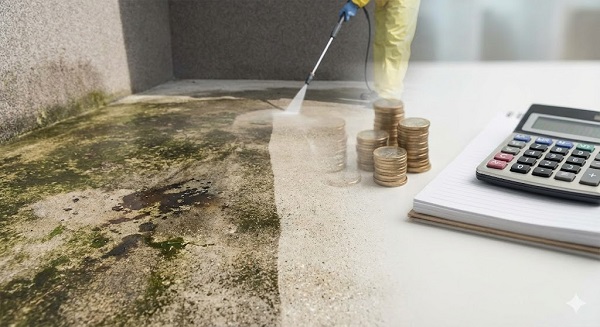
If you’ve been searching for concrete cleaning cost online, you’ve probably noticed one thing fast: prices can swing a lot from one driveway or patio to the next. At Carolina Power Washing, we quote concrete jobs based on what it takes to get your surface truly clean (without damaging it), not just a quick “spray and pray” pass. Carolina Power Washing Homepage
Below is a clear breakdown of what actually drives concrete cleaning prices up—and what you can do to keep your quote down while still getting professional results.
How concrete cleaning is typically priced
Most professional concrete cleaning is priced using a mix of:
- Square footage (how much surface needs cleaning)
- Soil level (how dirty/stained it is)
- Time + labor (how long the crew will be on-site)
- Chemicals + equipment (what’s required to clean safely and effectively)
- Risk + logistics (access, water availability, drainage concerns, etc.)
Think of it like painting a room: two rooms can be the same size, but the one with repairs, stains, and tricky trim costs more. Concrete is the same way.
What drives the price up
1) Heavy organic growth (algae, mildew, lichen)
Green algae film is common and usually straightforward. But thick black staining, embedded mildew, or lichen often requires:
- Stronger pre-treatment
- Longer dwell time
- More rinsing passes
- Careful technique to avoid etching
More steps = more time = higher cost.
2) Oil, rust, fertilizer, and “mystery” stains
Basic dirt and organic growth are one category. Stain removal is another.
Oil spots in a driveway, rust from patio furniture, irrigation stains, or fertilizer discoloration may need:
- Specialty detergents/degreasers
- Agitation (surface scrubbing)
- Multiple treatment rounds
- Realistic expectations (some stains lighten more than they fully disappear)
If stain removal is included, it often increases both labor and chemical cost.
3) Surface type and condition (old vs. new concrete)
Concrete isn’t “one material.” The condition changes everything:
- Newer concrete can be more sensitive if it’s not fully cured.
- Older concrete may be porous, brittle, or previously etched.
- Stamped, dyed, or decorative concrete requires extra caution.
If the surface is delicate, the job becomes more technical—slower, more controlled, and more time-intensive.
4) Total layout (not just square footage)
Two homes can have “the same square footage” on paper, but the layout changes the workload:
- Long walkways + steps
- Tight corners
- Multiple pads and transitions
- Pool decks with lots of edges and furniture
More edges and obstacles usually means more time and detail work.
5) Access challenges
Concrete cleaning gets harder when access gets tighter:
- Locked gates
- Steep slopes
- Narrow side yards
- Cars, planters, grills, and outdoor furniture in the way
If a crew has to spend 30–60 minutes moving items or navigating obstacles, that time gets built into the quote.
6) Water supply and on-site setup
Concrete cleaning requires consistent water flow. If the water hookup is far away, limited, or not accessible, it can add time for:
- Longer hose runs
- Additional setup and breakdown
- Reduced efficiency
Simple prep on your end can help here (more on that below).
7) Drainage and runoff considerations
Some properties require extra care to control runoff—especially near:
- Storm drains
- Landscaping beds
- Pool equipment
- Sensitive surfaces that could be affected by dirty runoff
Professional cleaning isn’t just “make it look good.” It’s also about doing it responsibly and avoiding a mess that causes problems later. If you want a good general overview of runoff basics, see: EPA stormwater basics.
8) Add-ons like sealing (or prep for sealing)
If you’re sealing concrete after cleaning, the cleaning step often needs to be more thorough:
- More complete removal of organic growth and residues
- Extra rinsing to prevent sealant adhesion issues
- Dry-time planning
Sealing can be a smart next step—but it changes the scope and can change the price.
How to keep your concrete cleaning quote down (without cutting corners)
1) Don’t wait until it’s “black and slick”
The longer organic growth sits, the deeper it bonds. A light green haze is faster (and cheaper) to clean than years of buildup. A simple maintenance schedule typically costs less long-term than “emergency cleaning.”
2) Treat oil spots early
Fresh oil responds better than old oil that has soaked in and baked through multiple seasons. If you see a spot:
- Absorb what you can
- Avoid grinding it in
- Mention it when you request a quote (so the right products are planned)
3) Clear the surface before the crew arrives
If possible, move:
- Vehicles
- Mats
- Grills
- Pots/planters
- Furniture
When we can start cleaning immediately, you’re not paying for extra labor time that doesn’t improve the final result.
4) Make the water hookup accessible
A small thing that helps a lot: ensure one spigot is working and reachable, and if you have a preferred hookup, point it out.
5) Bundle services when it makes sense
If you also need house washing, gutter cleaning, or deck cleaning, bundling can reduce total trip/setup cost versus scheduling separate visits. Carolina Power Washing Homepage
6) Avoid DIY damage that becomes “repair work”
A common cost driver we see: concrete that’s been etched by too much pressure, the wrong nozzle, or aggressive DIY chemicals. Once concrete is damaged, cleaning gets trickier—and sometimes the “fix” is replacement or resurfacing, not washing.
If you want it done safely the first time, a professional approach protects the surface and your curb appeal.
What to ask for in a concrete cleaning quote
To compare bids fairly, ask each company:
- What’s included (just cleaning, or stain treatment too)?
- Will they pre-treat and post-treat (and why)?
- How do they prevent etching or striping?
- How do they handle runoff and nearby landscaping?
- Are they insured?
A low quote that skips prep, rushes the job, or risks damage isn’t actually “cheaper.”
Get a fair, straightforward estimate from Carolina Power Washing
At Carolina Power Washing, our team focuses on consistent results, careful technique, and clear expectations—so you know what you’re paying for and why. We’re locally owned and led by Ray and Lindsey Egner, and we take our reputation seriously. Carolina Power Washing About Pa…
Ready for pricing based on your concrete and your staining?