A storefront sign is often the first thing a customer notices. Deciding between pressure washing vs hand cleaning for signs comes down to the sign’s material, its age, and how much buildup has collected on the surface. Business owners in Rock Hill, South Carolina, rely on clean, readable signage to draw in foot traffic, especially as the seasons shift and outdoor visibility becomes more important. This guide from Carolina Power Washing covers the pros, cons, and material factors that shape the right choice for your property.
Pressure Washing vs. Hand Cleaning for Signs: The Core Difference
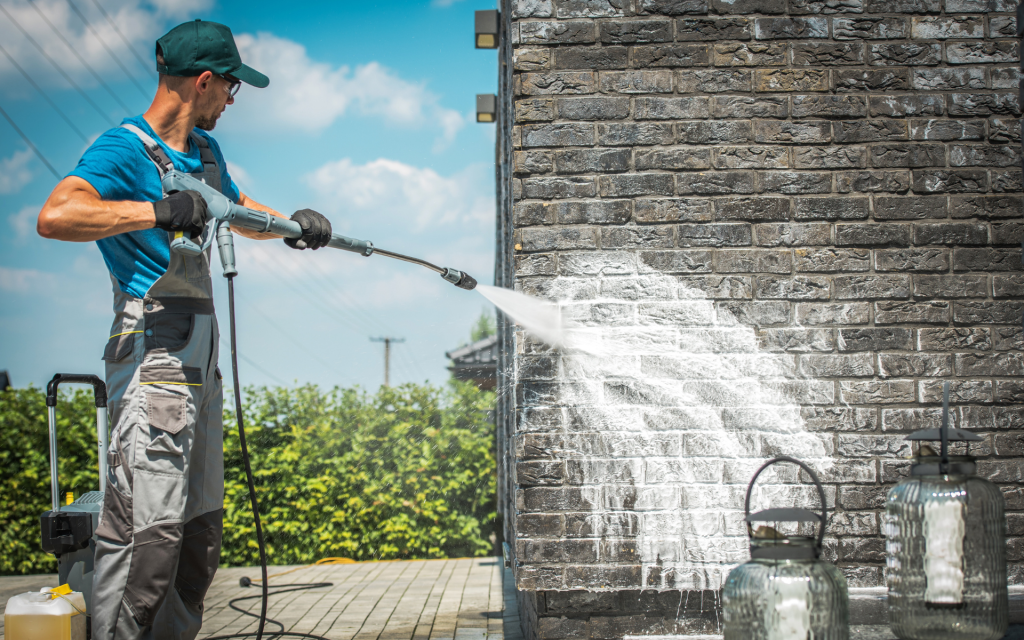
Pressure washing uses a powered stream of water, sometimes paired with a cleaning solution, to remove dirt and grime quickly. Hand cleaning relies on brushes, cloths, and manual scrubbing with milder solutions applied by hand. Both methods can restore a sign’s appearance, but each fits different situations depending on the material and the level of buildup involved.
When Pressure Washing Works Well for Signs
Pressure washing offers speed and coverage for larger signage or heavily soiled surfaces. Reasons business owners choose this method:
- It removes built-up grime, mildew, and pollen faster than manual scrubbing.
- It reaches tall or wide signs without extensive climbing or reaching.
- It works well on durable materials like metal, aluminum, and sealed wood.
- It clears dirt from textured surfaces where a cloth might miss buildup.
- It saves time for businesses managing several signs across one property.
When Hand Cleaning Is the Safer Choice
Hand cleaning takes more time but offers control that pressure washing cannot match. This method suits:
- Signs with vinyl lettering or decals that could lift under pressure
- Backlit or illuminated signs with electrical components near the surface
- Painted or hand-lettered signage where the finish is delicate
- Older signs showing wear, cracking, or peeling paint
- Small signs where a full pressure washing setup isn’t practical
A soft cloth and mild solution reduce the risk of damage to sensitive materials while still lifting dirt and stains.
Material Considerations for Business Signage
The material behind your sign plays a large part in choosing the right cleaning method. A few common types:
Metal and Aluminum Signs
These materials tend to hold up well under moderate pressure washing, making the method a practical choice for regular maintenance.
Vinyl and Decal Signs
Vinyl graphics can lift or peel if pressure settings run too high. Hand cleaning with a soft brush protects the adhesive and keeps lettering intact.
Wood Signs
Sealed wood can handle light pressure washing, but unsealed or painted wood often responds better to hand cleaning to avoid stripping the finish.
Illuminated and Digital Signs
Electrical components near the surface call for hand cleaning or very controlled, low-pressure methods to avoid water intrusion.
Pros and Cons at a Glance
Pressure Washing
- Pros: Fast, covers large areas, removes heavy buildup
- Cons: Can damage delicate materials if not handled with care
Hand Cleaning
- Pros: Gentle on sensitive surfaces, precise control
- Cons: Takes longer, less practical for large or multiple signs
Preparing Signage for the Season Ahead
As fall approaches in Rock Hill, businesses often see an increase in foot traffic tied to seasonal shopping and events. Clean, readable signage supports that traffic. A few steps to prepare:
- Inspect signage for pollen, dirt, or mildew buildup from the summer months.
- Match the cleaning method to the sign’s material, following the guidance above.
- Schedule a cleaning before major seasonal promotions or events.
- Check lighting and electrical components on illuminated signs before cleaning.
- Set a recurring schedule to keep signage looking sharp through each season.
Why Professional Cleaning Adds Value
A trained crew understands how to read a sign’s material and choose the right pressure, solution, and technique before starting. This reduces the risk of streaking, peeling, or damage that can come from guesswork. Business owners managing storefronts, monument signs, or multiple locations across Rock Hill can review options for commercial business signage cleaning suited to their property type.
Common Mistakes to Avoid
Whether choosing pressure washing or hand cleaning, a few mistakes show up often:
- Using pressure settings that are too high for the sign’s material
- Applying harsh chemicals that fade paint or lettering
- Skipping a test spot before cleaning the full sign
- Ignoring frames, posts, or mounting hardware during cleaning
- Cleaning under direct sun, which can cause solutions to dry unevenly
Avoiding these issues keeps signage looking sharp and extends its lifespan.
Choose the Right Method for Your Signage
The decision between pressure washing vs hand cleaning for signs depends on the material, the sign’s condition, and how much buildup has formed. Metal and sealed surfaces often handle pressure washing well, while vinyl, painted, and illuminated signs call for a gentler, hand-applied approach. Matching the method to the material protects your investment and keeps your storefront visible to customers passing by.
Carolina Power Washing supports Rock Hill business owners with signage cleaning suited to each material and property type. Reach out today to schedule a cleaning before the next season’s foot traffic picks up. Contact us today to talk through the right approach for your signage.