
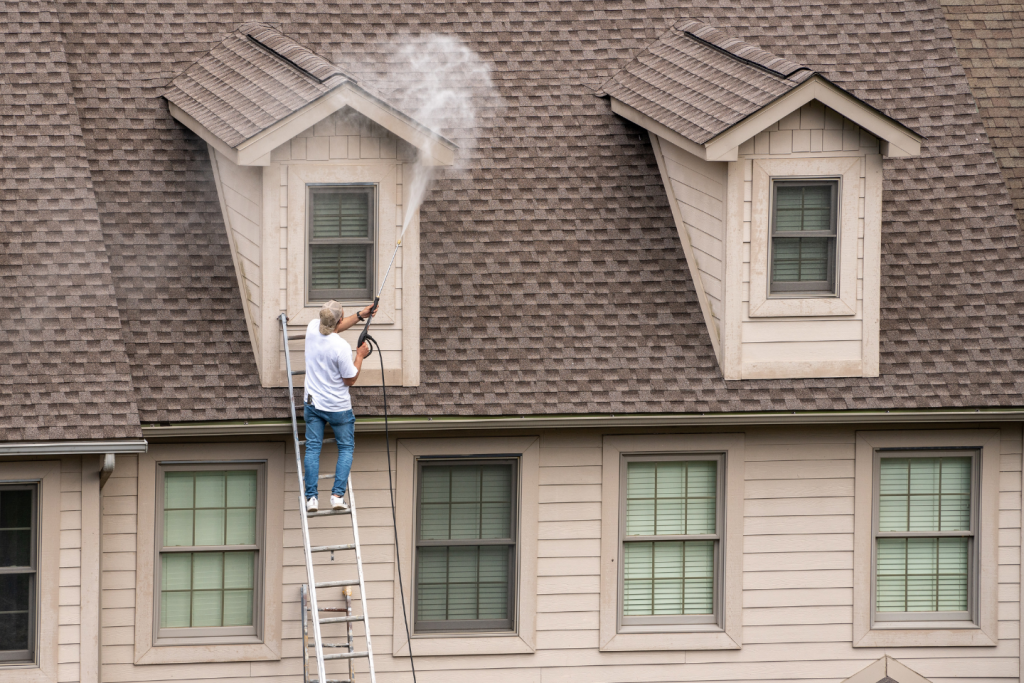
Every exterior surface tells a different story when it comes to dirt, mold, and grime. What clears a concrete walkway in minutes could crack a stucco wall or strip paint from wood siding. Knowing the correct cleaning methods for exterior surfaces protects your property and keeps repair costs down. This guide from Carolina Power Washing walks through brick, stucco, vinyl siding, wood, and concrete, so you know what works before any water touches your walls.
Why Surface Type Changes the Cleaning Approach
Materials react to water pressure and cleaning solutions in different ways. A method built for solid concrete can crack softer stucco. A treatment made for wood might not touch stubborn algae on brick. Matching the method to the material is the difference between a clean surface and a damaged one.
A few factors guide the right choice:
- Surface hardness — Hard materials handle more force than soft ones.
- Porosity — Porous surfaces absorb water and cleaning solutions differently than sealed ones.
- Age and condition — Older, worn surfaces need a gentler hand.
- Type of buildup — Mold and algae need a treatment, while loose dirt often just needs a rinse.
Reviewing these points is the first step toward choosing cleaning methods for exterior surfaces that protect your property instead of harming it.
Brick
Brick stands up well to moderate pressure, though mortar joints need extra care. Low-pressure washing paired with a cleaning solution removes algae, moss, and grime without wearing down the surface.
Safe steps for brick include:
- Using a lower pressure setting around mortar joints
- Applying a solution built for organic growth like algae and mildew
- Rinsing from the top down to avoid streaking
- Checking for loose or crumbling mortar before cleaning begins
Brick holds up over many years, but repeated high-pressure cleaning can wear down mortar lines faster than expected.
Stucco
Stucco is porous and prone to damage from strong water pressure. Cracks can widen, and water can seep behind the surface if the pressure runs too high.
Safe steps for stucco include:
- Using soft washing instead of high-pressure equipment
- Applying a gentle cleaning solution to break down mold and mildew
- Rinsing at a low setting to avoid pushing water behind the wall
- Checking for existing cracks before starting any cleaning
Soft washing protects the coating on stucco while still clearing built-up grime and stains.
Vinyl Siding
Vinyl siding handles moderate pressure, though panels can crack or dislodge under too much force. Sun exposure over time also makes vinyl more brittle, so care matters even on a routine cleaning.
Safe steps for vinyl siding include:
- Using a moderate pressure setting suited to the panel type
- Working in the direction of the panels to avoid pushing water underneath
- Applying a cleaning solution for mold, mildew, and algae stains
- Checking older or sun-worn sections for extra care
Vinyl responds well to routine cleaning, which keeps algae and mildew from building into deeper stains.
Wood Siding and Trim
Wood is one of the most sensitive exterior materials. High pressure can strip paint, raise the grain, or force water into seams, which leads to rot over time.
Safe steps for wood siding include:
- Using soft washing at all times, never high-pressure equipment
- Applying a cleaning solution matched to wood surfaces
- Rinsing gently to avoid pushing water into seams and joints
- Allowing full drying time before repainting or resealing
Wood needs the gentlest method on this list. A careful approach protects both the finish and the material underneath.
Concrete
Concrete is the toughest surface on most properties and handles higher pressure well. Driveways, walkways, and patios collect oil stains, mildew, and ground-in dirt that a soft method cannot fully clear.
Safe steps for concrete include:
- Using higher pressure settings suited for hard, flat surfaces
- Treating oil and rust stains with a targeted solution before rinsing
- Working in even, overlapping passes to avoid streaking
- Sealing the surface after cleaning to slow future staining
Concrete stands up to pressure washing better than any other surface on this list, making it the ideal match for that method.
Matching the Method to the Season
Late summer and early fall bring pollen, algae, and storm debris together across Rock Hill properties. Cleaning exterior surfaces now clears this buildup before cooler, wetter weather settles in. A clean exterior also handles fall rain and winter moisture with less staining and less risk of trapped water.
A seasonal cleaning plan for each surface type keeps mold and algae from taking hold again before the next humid stretch arrives.
Why the Right Method Protects Your Property
Choosing the correct approach for each surface protects the value of your home or business. Correct cleaning methods for exterior surfaces can:
- Prevent cracked stucco, stripped paint, and worn mortar
- Remove mold and algae that affect appearance and air quality
- Extend the working life of siding, brick, and concrete
- Improve curb appeal across the entire property
- Lower the chance of costly repairs from surface damage
A trained crew studies each surface before cleaning starts, matching pressure and solution to the material in front of them. That review step is what keeps a property safe through every stage of the process.
Protect Every Surface on Your Property
Brick, stucco, vinyl siding, wood, and concrete each call for a different touch. Matching the method to the material is the surest way to remove mold, dirt, and grime without causing harm. A property that receives the correct care holds its value and its appearance for years.
An exterior building cleaning service in Rock Hill built around your specific surfaces takes the guesswork out of the process. Contact us today to set up a review of your property and a cleaning plan matched to every material you own. Carolina Power Washing studies each surface before any water touches your walls, so your home or business stays protected while every trace of dirt and mold disappears.